

Our Research Methods

Measuring what matters
Understanding the health, safety and wellbeing of Australia's educators through research-based measurement
Occupational health, safety and wellbeing are complex and influenced by many interconnected factors. Understanding these experiences requires more than identifying individual challenges. It requires reliable evidence about the conditions in which people work, the demands they face and the resources available to support them.
By measuring these factors systematically, we can identify patterns, monitor changes over time and generate evidence to inform healthier, safer and more supportive educational environments. This includes concrete policies and practical initiatives to better the wellbeing of school leadership and schools holistically.
What do we measure?
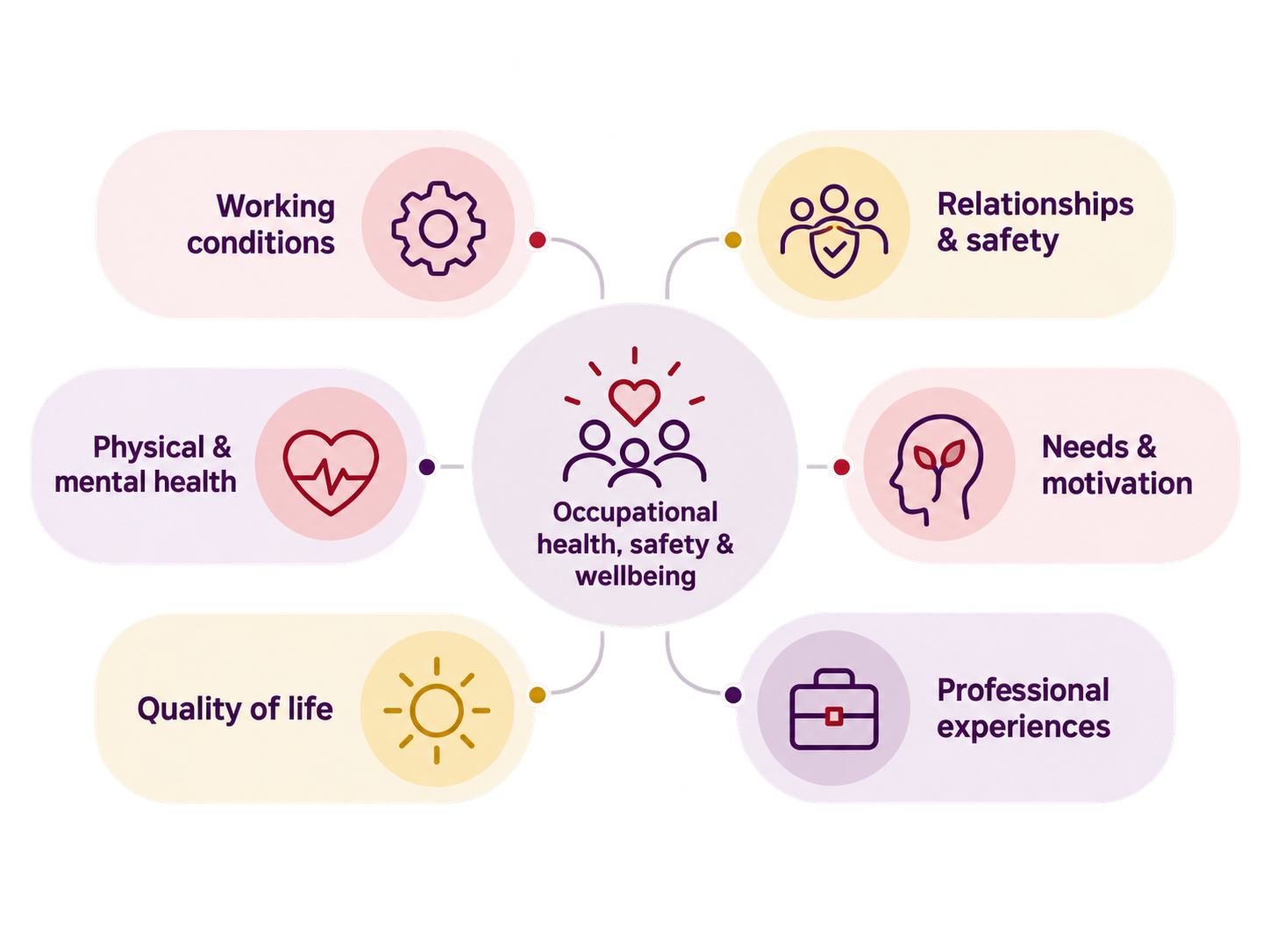
Our research covers a broad range of occupational and personal factors, including psychosocial working conditions, workplace relationships and safety, physical and mental health, psychological needs and motivation, quality of life, and professional experiences.
The specific measures vary across research projects, reflecting the different populations, contexts and research questions being investigated.
Our validated assessment tools
Our research draws on established assessment instruments that have been developed and tested through scientific research. These tools enable us to measure complex aspects of occupational health, safety and wellbeing using consistent and reliable methods.
We select instruments based on their relevance to each research project's objectives and the populations being studied. Our assessment tools include the Copenhagen Psychosocial Questionnaire (COPSOQ) and Basic Psychological Needs Satisfaction Scale, alongside other validated measures that capture different aspects of health, wellbeing and professional experiences.
Meaningful insights
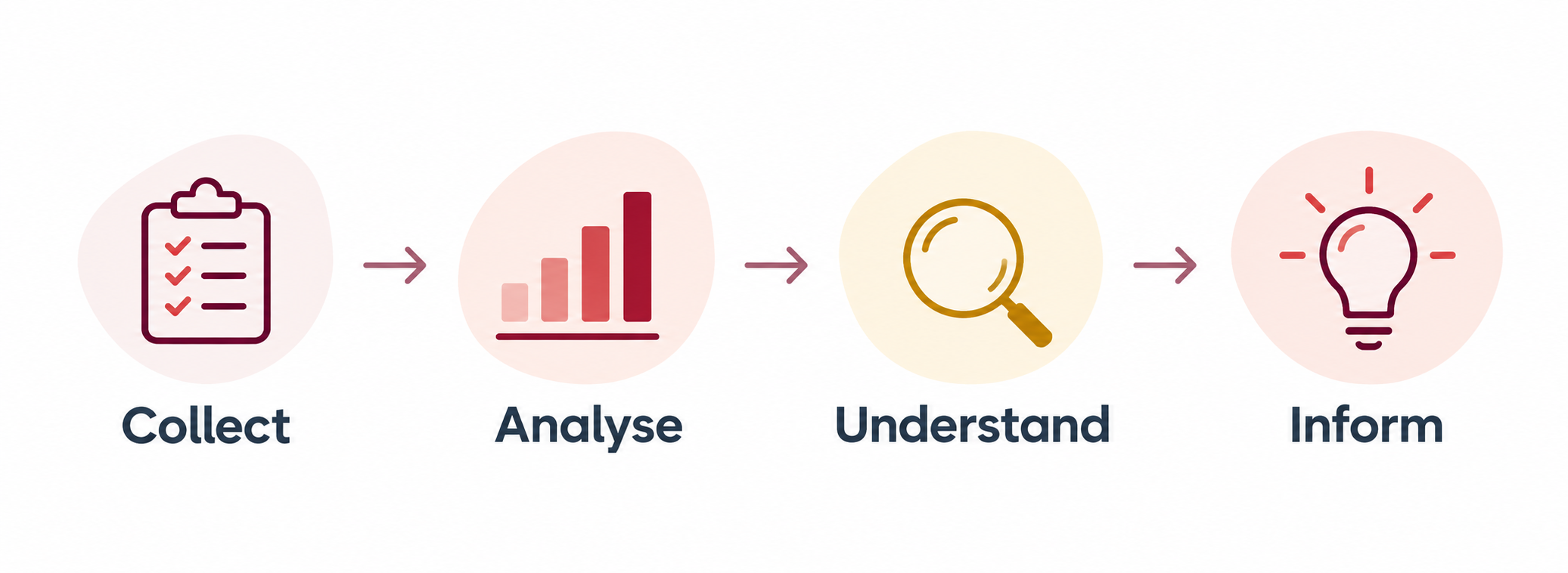
Turning research findings into meaningful evidence.
Survey responses are analysed using established statistical methods to identify patterns, relationships and differences across groups and settings. Where comparable data are available, we also examine changes over time to understand emerging trends.
Our findings are communicated through research reports, publications and collaborations with education stakeholders, helping translate research evidence into practical insights that can inform organisational practices, policies and initiatives.
Research quality, privacy, and ethics
Ensuring research is rigorous, ethical and trustworthy.
Our research follows established scientific and ethical standards to ensure the quality and integrity of our findings. We prioritise appropriate research design, careful data collection and analysis, and responsible interpretation of results.
Protecting participants' privacy and confidentiality is central to our approach. We apply appropriate safeguards to the collection, storage and reporting of research data, ensuring that findings are communicated responsibly and without compromising individual participants' identities.
Further information and resources
Below are links to useful resources, including some of the validated measures we use: